
The marketplace hands you the rules before you have booked anything, pure white, product centred, no props and no shadow doing anything interesting, and if you get it wrong the listing gets rejected, so you shoot it exactly as instructed and you pay for it and you upload it and you tick it off.
Then you wonder why nobody remembers you.
That frame sold the object, but did it sell you? Not for a second, and those are two entirely different jobs which brands keep buying with a single budget and then expecting both from, which is where the money quietly leaves the building without anybody noticing it go.
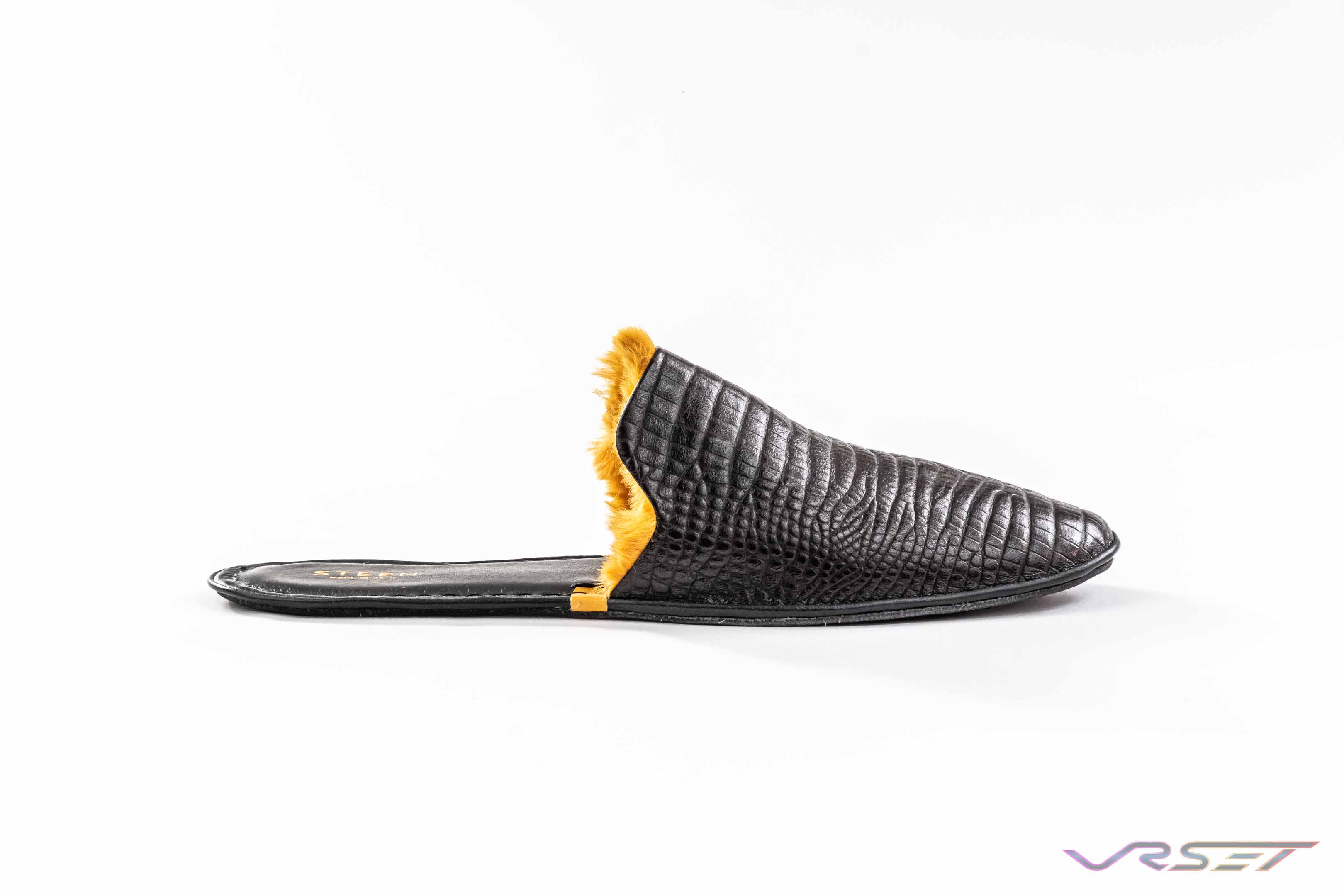
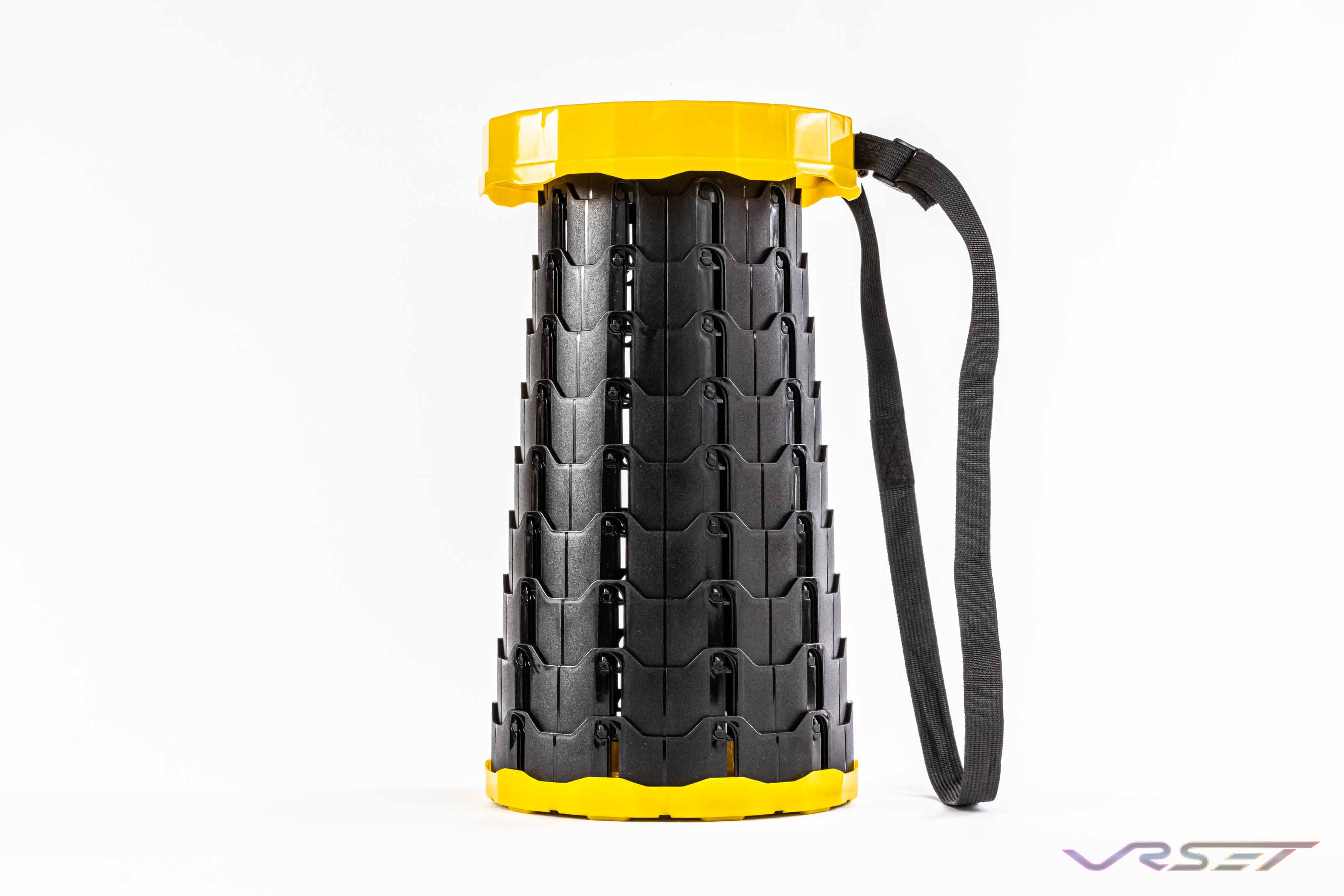
So is the white shot wrong? Not at all, it’s mandatory, and mandatory is precisely the reason it carries no brand value whatsoever, because every competitor on that results page is showing the identical treatment, the identical white, the identical centred object, which leaves a shopper with exactly one thing left to compare and that thing is price. You have spent your photography budget constructing a page where the only available outcome is losing on price.
I call them compliance frames, because what else would you call them? That is honestly all they are, and a brand that treats them as the whole photography budget has confused a legal requirement with a marketing asset.
The compliance frame is not competing for your customer, its competing for your customer’s price comparison, and that is a fight nobody sane would have entered on purpose.
What I tell brands is unglamorous and it saves real money: split the budget before the shoot rather than arguing about it afterwards, shoot the mandatory frames fast and treat them as the technical task they genuinely are, then spend everything remaining on the frames only your label could possibly have produced, because those are the ones going on your own site, your own email, your own social, every surface where the marketplace does not get to write the rules.
How the second set came to be
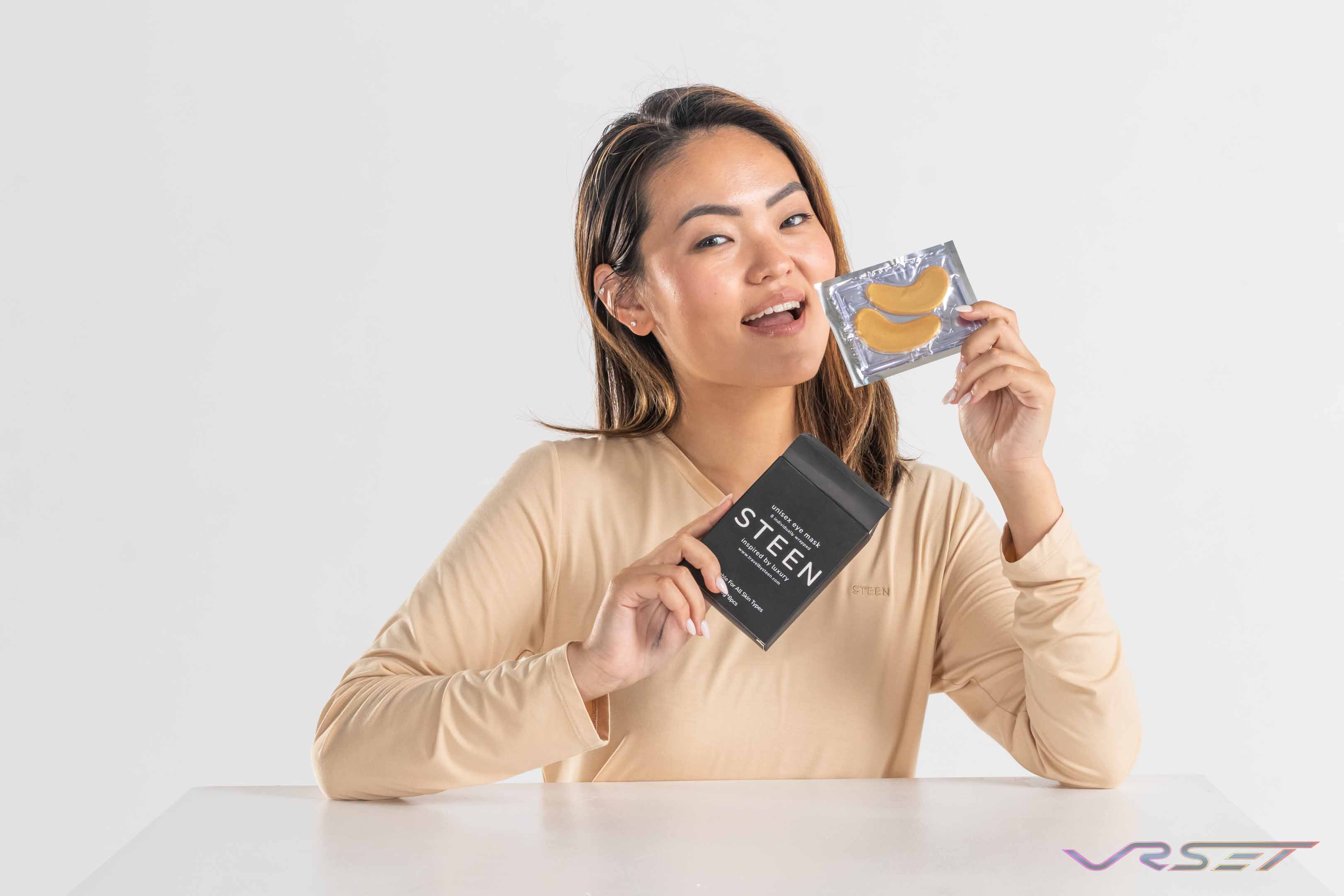
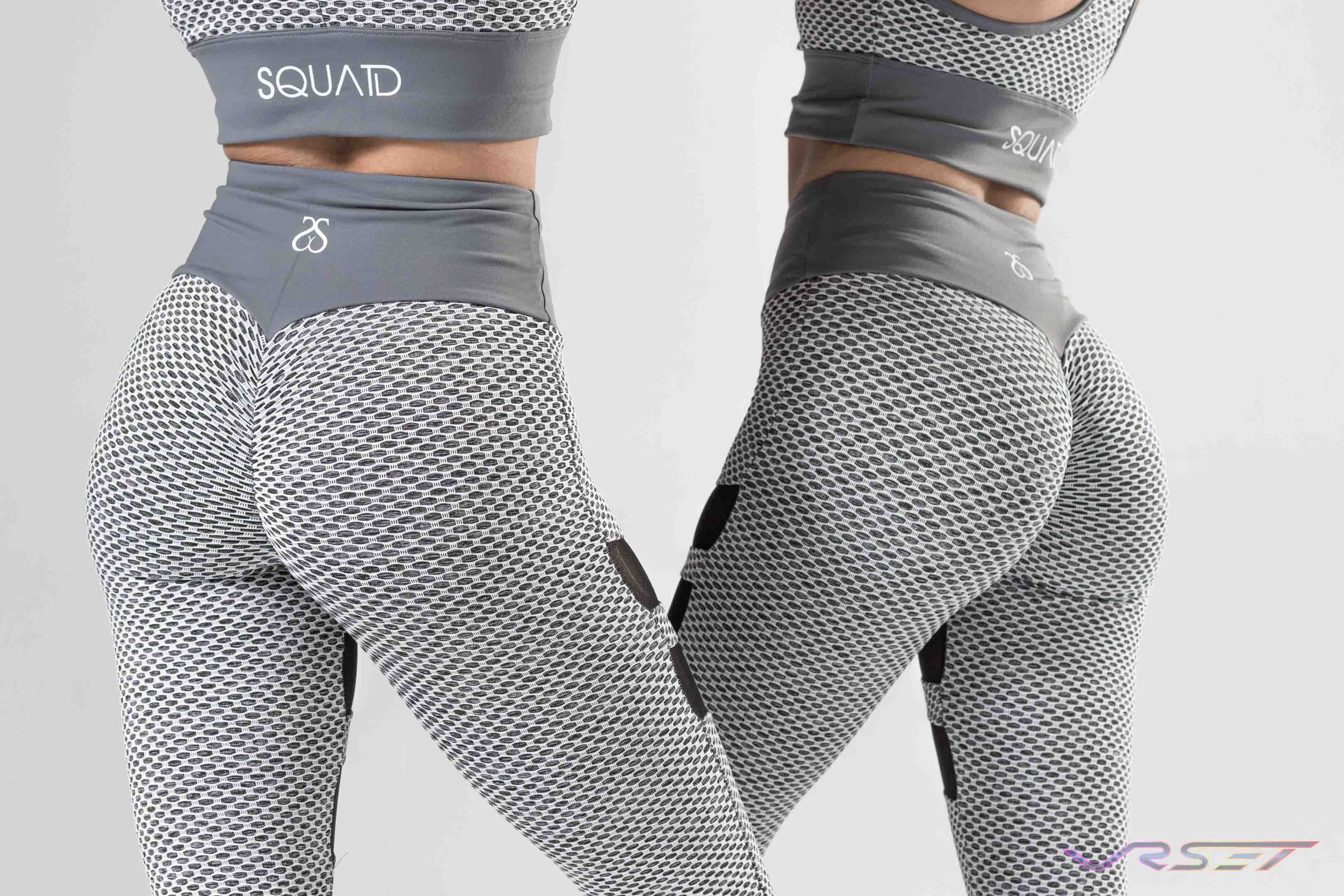
Activewear, years later, the identical problem wearing different clothes. The brand needed the marketplace frames because everybody does, but they also needed to look like a label with a point of view rather than a warehouse with a login.
So we shot both in one day and refused to pretend they were the same job, the compliance frames first and quickly and to the rulebook with no debate about them at all, then the lights came down, the room got rebuilt, and we started again for the frames that actually belonged to them.



Behind the scene
Brands assume the saving lives in the day rate. Does it? Not even slightly, because it lives in how many finished looks come off one day, and that number gets decided by a list of things nobody ever puts in a quote.
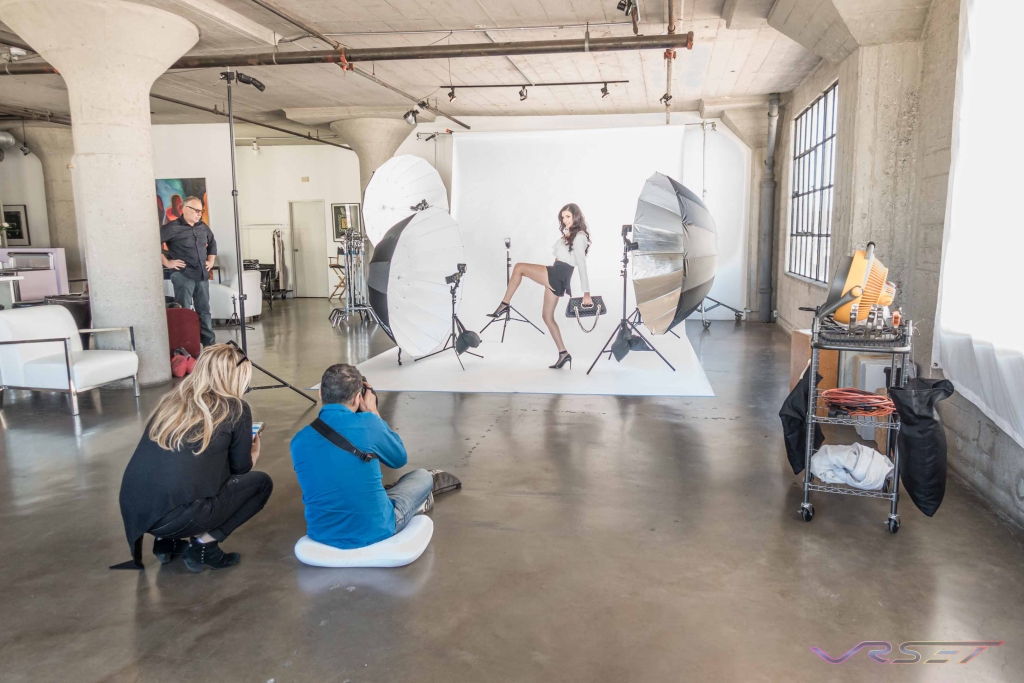
Count the modifiers in that frame. Two, isn’t it? One white parabolic on the left and one silver on the right, and that is the entire lighting package for a full apparel day. The wire cart in the corner holds the tape, a cable and the sandbags. Any brand being quoted for a lighting truck on a clothing shoot is paying for somebody else’s equipment insurance rather than for better photographs.
Colour is where the margin actually leaks and almost nobody quotes for it, because a garment photographed two shades off never looks wrong on your monitor, it looks wrong in the customer’s hallway in daylight next to the thing she already owns, and then it comes back and you pay the shipping in both directions plus the restock plus a review saying the colour was not as pictured…none of which appears anywhere on a photography invoice, all of which is photography.


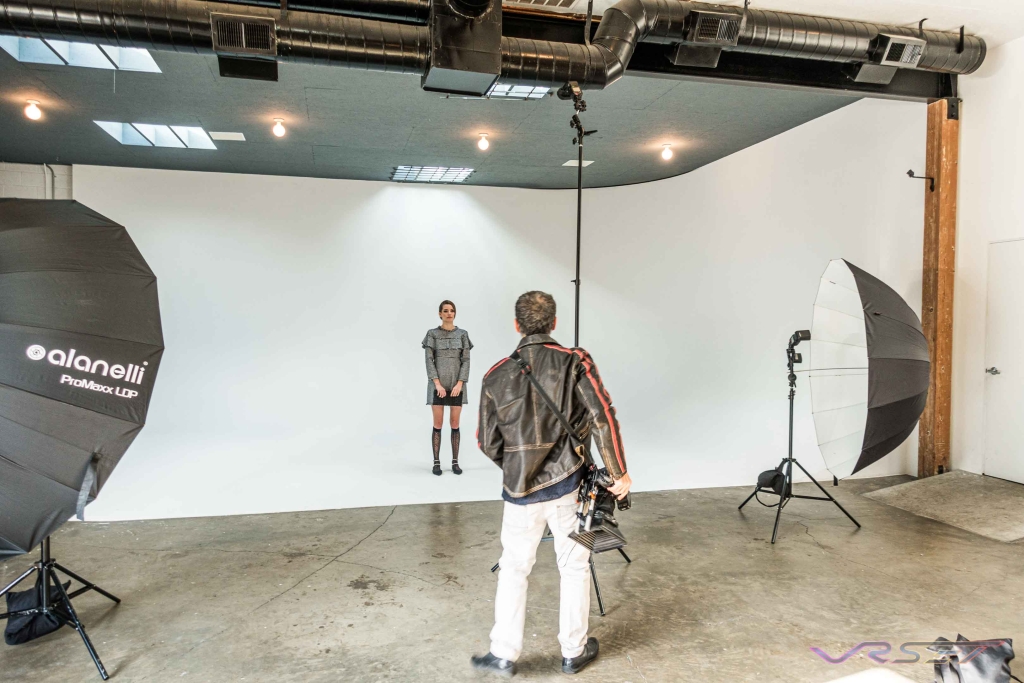
That last frame is the one I would show any brand worrying about cost, because it is an industrial shell with a roll of vinyl on the floor and shoes laid out on a cloth, two lights and one assistant, and not a single buyer looking at the delivered images could tell you what the walls were made of or would care if you told them. The difference between that room and a marquee studio came straight back to the client as more looks in the same day.
So shoot the compliance frames, you have no choice and you never did.
Just stop asking them to do a job nobody ever built them for.