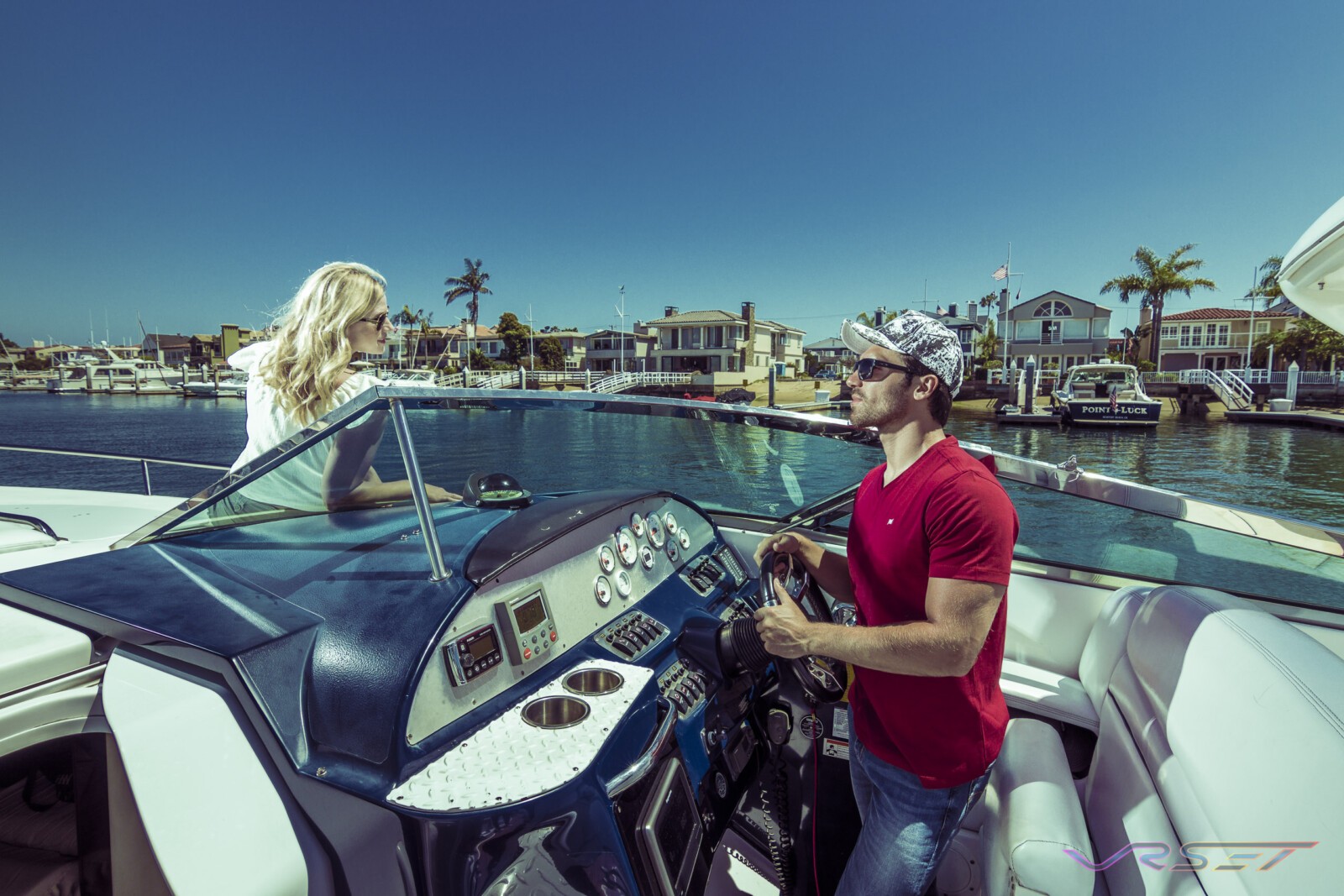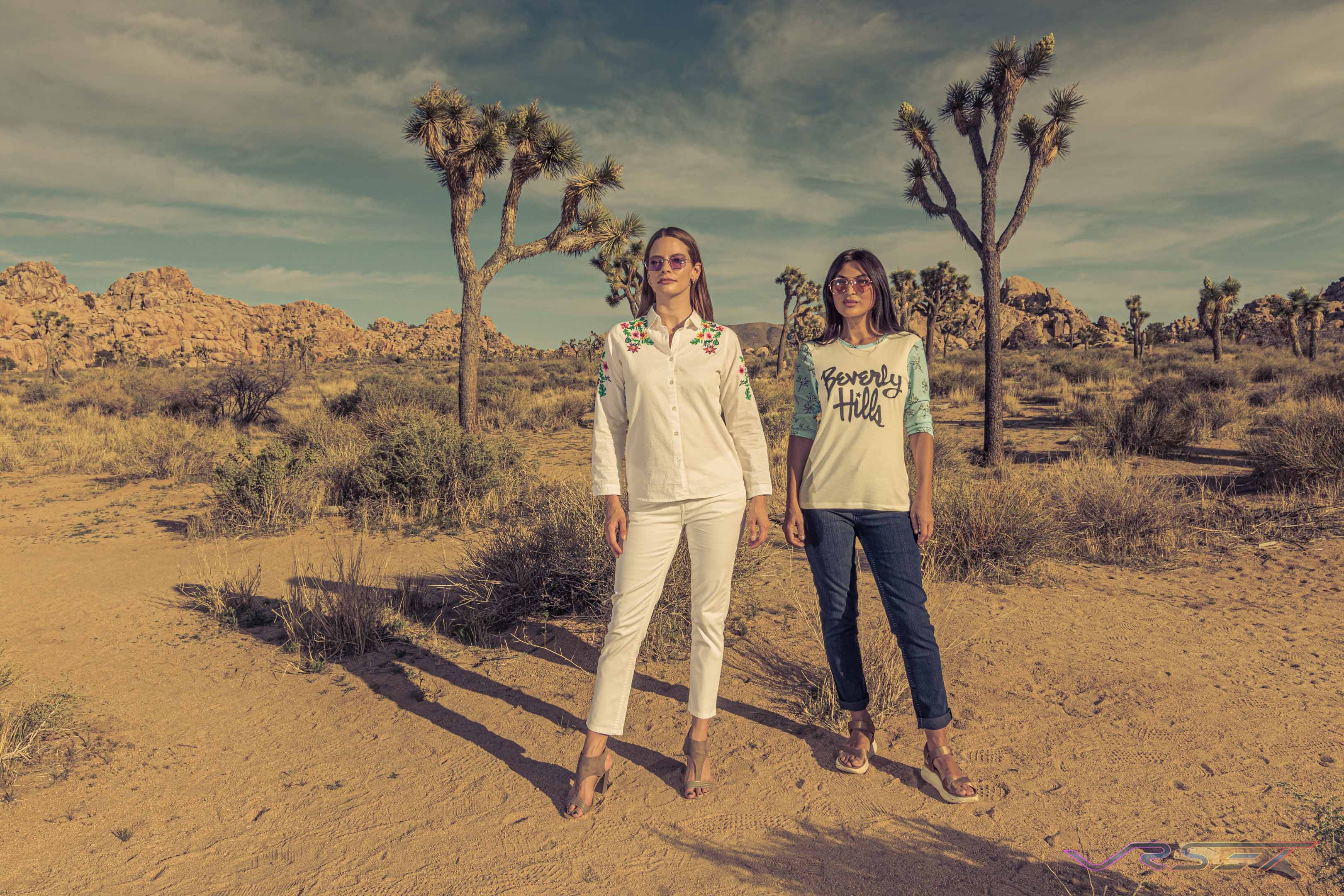
A brand rang me about a reshoot once, and the pictures they already had were perfectly acceptable on a screen, nothing obviously wrong with any of them, except that the garments had started coming back through the door in quantity.
Not because the clothes were wrong. Because the colour was.
That is what bad photography actually costs, and it is never the invoice, its the returns and the reshoot and the six weeks of a launch window spent apologising to people, plus a full season of listings that quietly made a good product look like somebody’s copy of a better one.
Is good photography expensive? It is not. Bad photography is among the most expensive things a clothing brand can buy, and the bill arrives late and in instalments.
Colour is where the margin leaks, so why does nobody put a line for it on a quote? Because a garment photographed two shades off never once looks wrong on your monitor, it looks wrong in a customer’s hallway in daylight beside the cardigan she already owns, and then it travels back to you and you pay the shipping in both directions and the restock and finally a review explaining that the colour was not as pictured.
So where does any of that appear on a photography invoice? Nowhere at all. Every bit of it is photography.
Ask the photographer what he does about colour before you ask him what he charges, and if he has no answer ready, the cheap quote is the expensive one.
How that photograph came to be
Now the other half of it, because expensive and good have never been the same word either, and the industry has done very well out of letting brands believe otherwise.

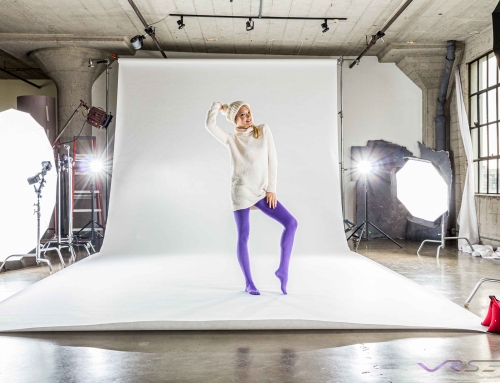
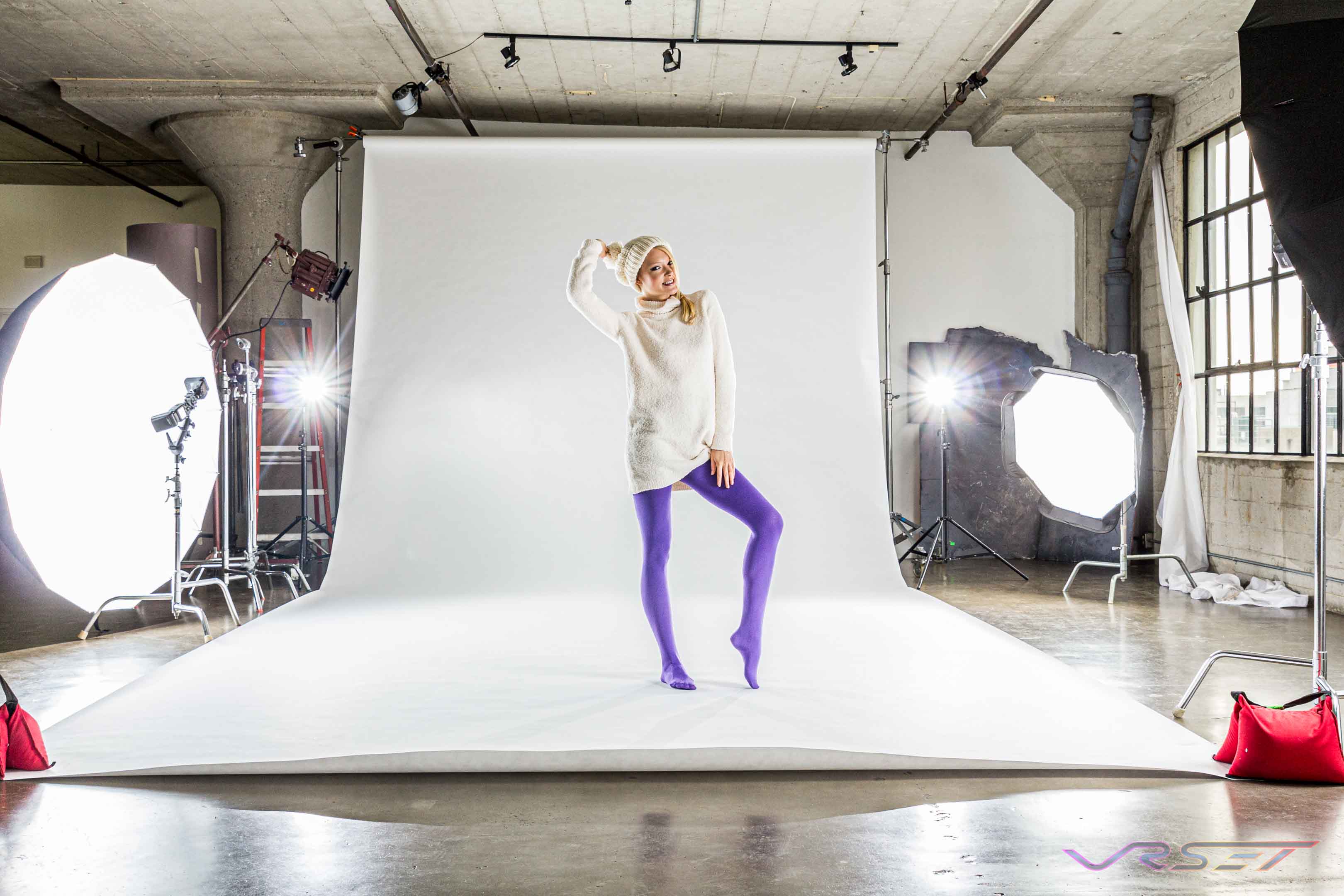
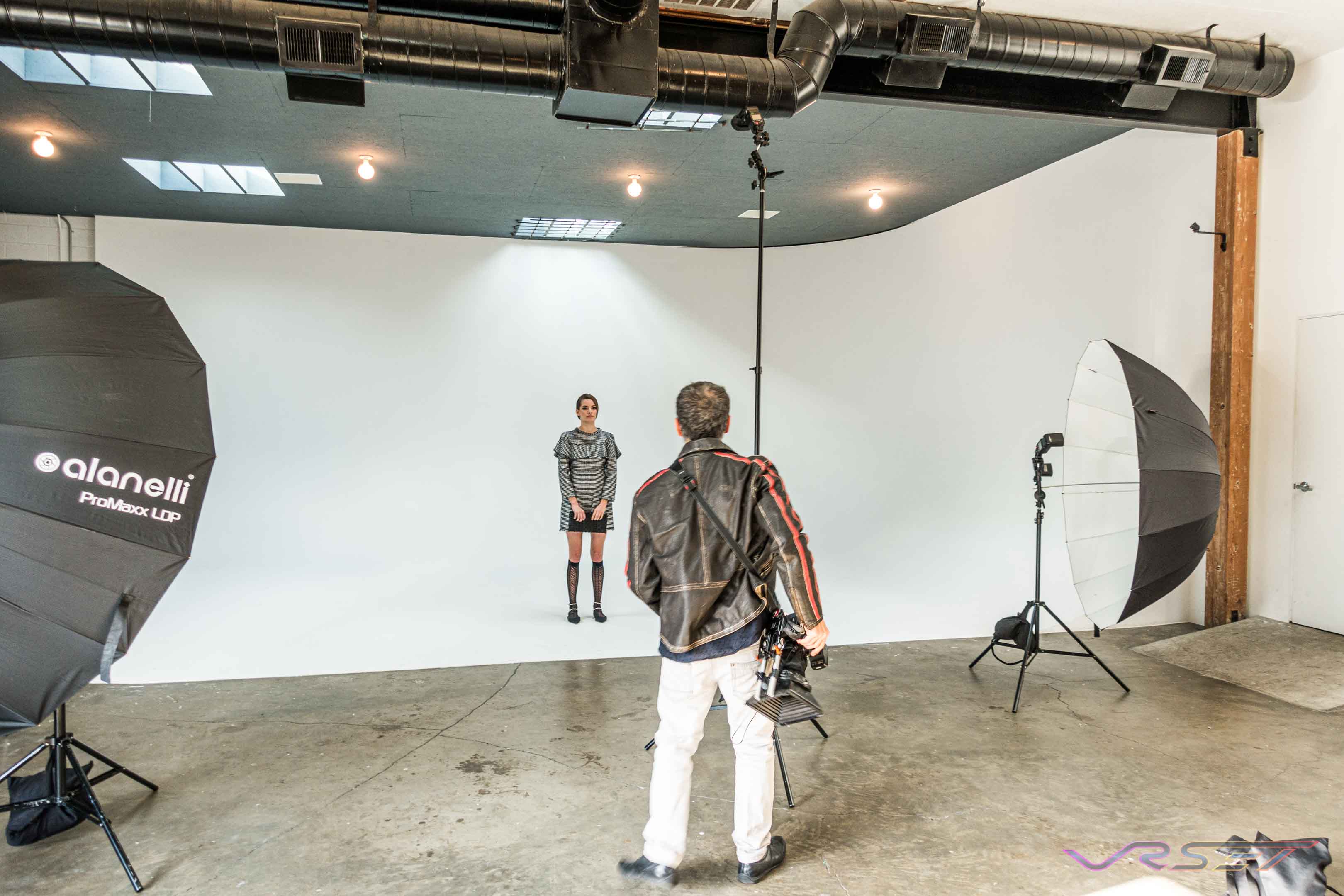
That is an industrial shell and nobody is photographing it for a brochure, the walls are corrugated metal, there is a green fluorescent tube burning away up in the roof that not one person thought to turn off all day, and the floor is a roll of white vinyl unrolled directly onto concrete.
Two lights, both umbrellas, one assistant, models crossing the vinyl in wedge sandals while the shoes for the next setup sit waiting on a cloth at the edge of the frame.
We took that room deliberately. The client had a fixed number and the honest choice in front of us was a handsome room for six hours or a rough one for a full day, and a rough room with a full day wins that argument every time it is ever put, because the count of finished looks is the thing being purchased and no buyer studying the delivered frames can tell you what the walls were made of.
So where should the money actually go? On time and on the people using it, and never once on the room!
Behind the scene
Where good quietly becomes cheap is in sequencing, and you can watch it happening in these frames.
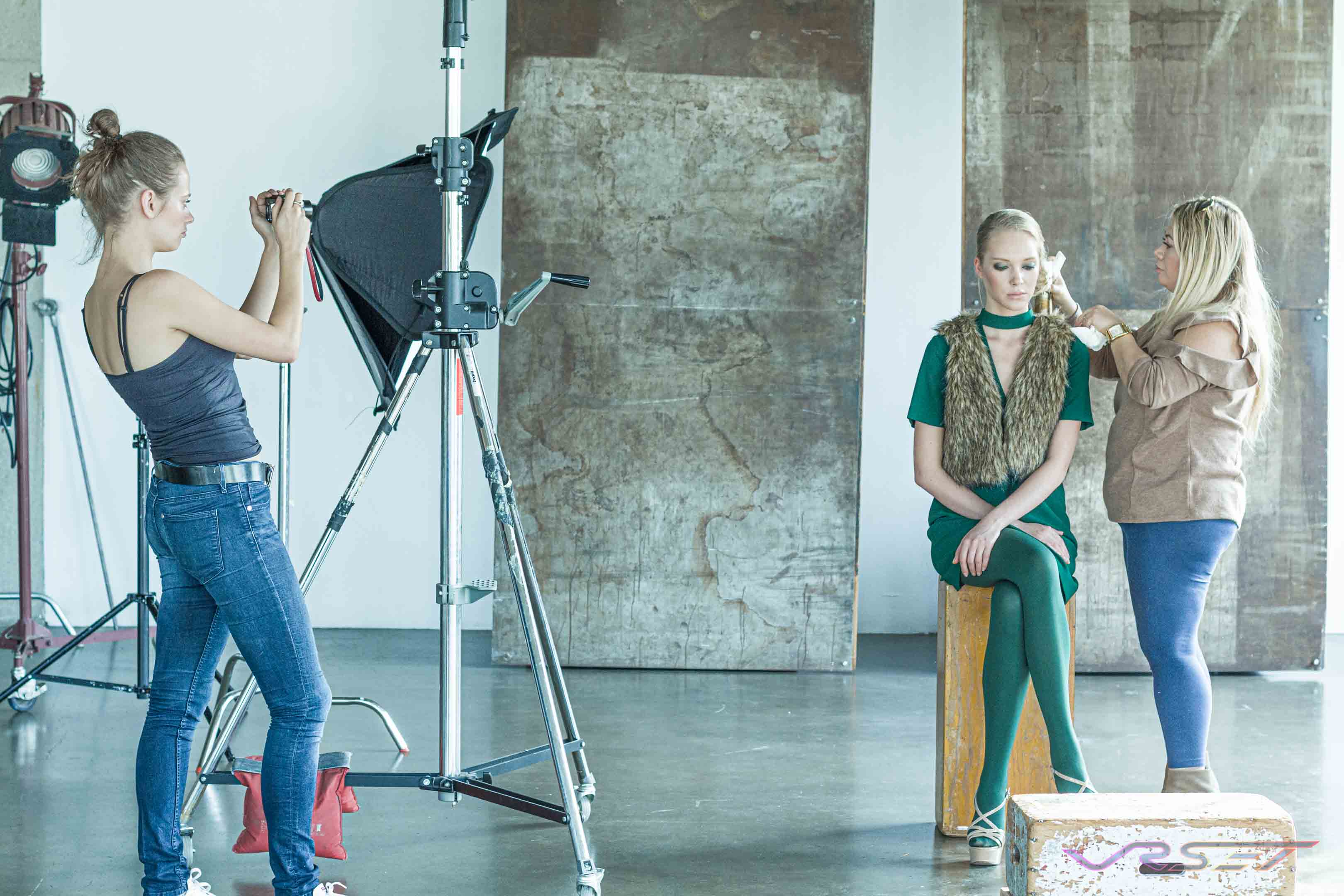
Nobody standing in that frame is waiting on anybody else, the makeup is being done and the light for the following look is going up at the same moment, which sounds like the most obvious thing in the world and which almost nobody actually does, because it needs one person on the day whose entire job is to be a setup ahead of the room…and that person is invariably the first line struck out of a cheap quote.
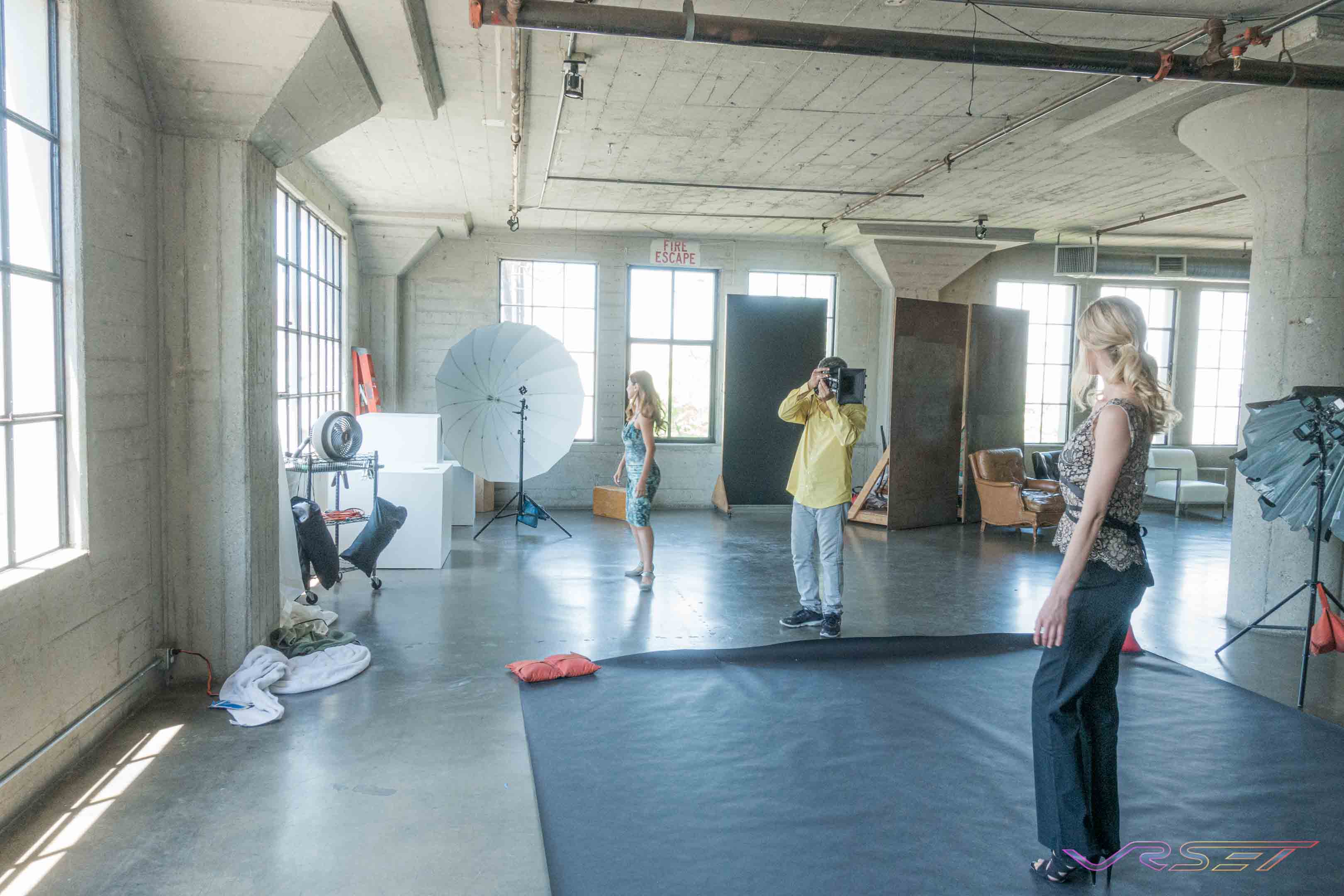
See the right hand side of that one? A second model, dressed and made up and simply standing there off camera waiting, and there is nothing glamorous about any of it and it’s the entire reason the day came in on budget.
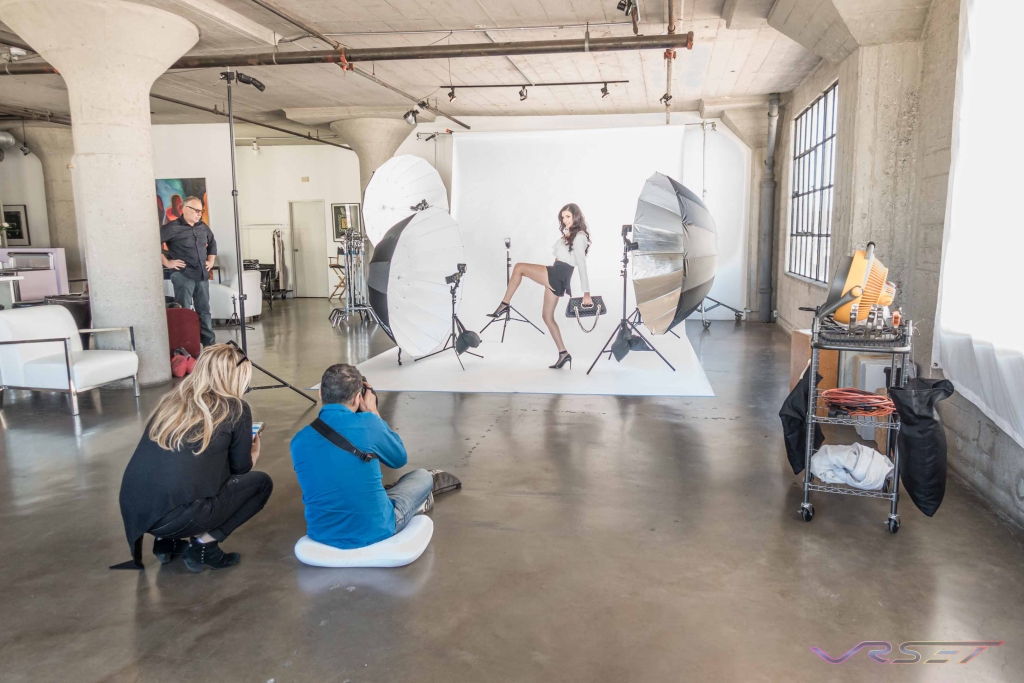
Two modifiers and a cart holding gaffer tape, a cable and some sandbags, and that is the whole grip package for a full apparel day, so any brand currently being quoted for a lighting truck on a clothing shoot should understand they are paying for somebody else’s equipment insurance rather than for better photographs.

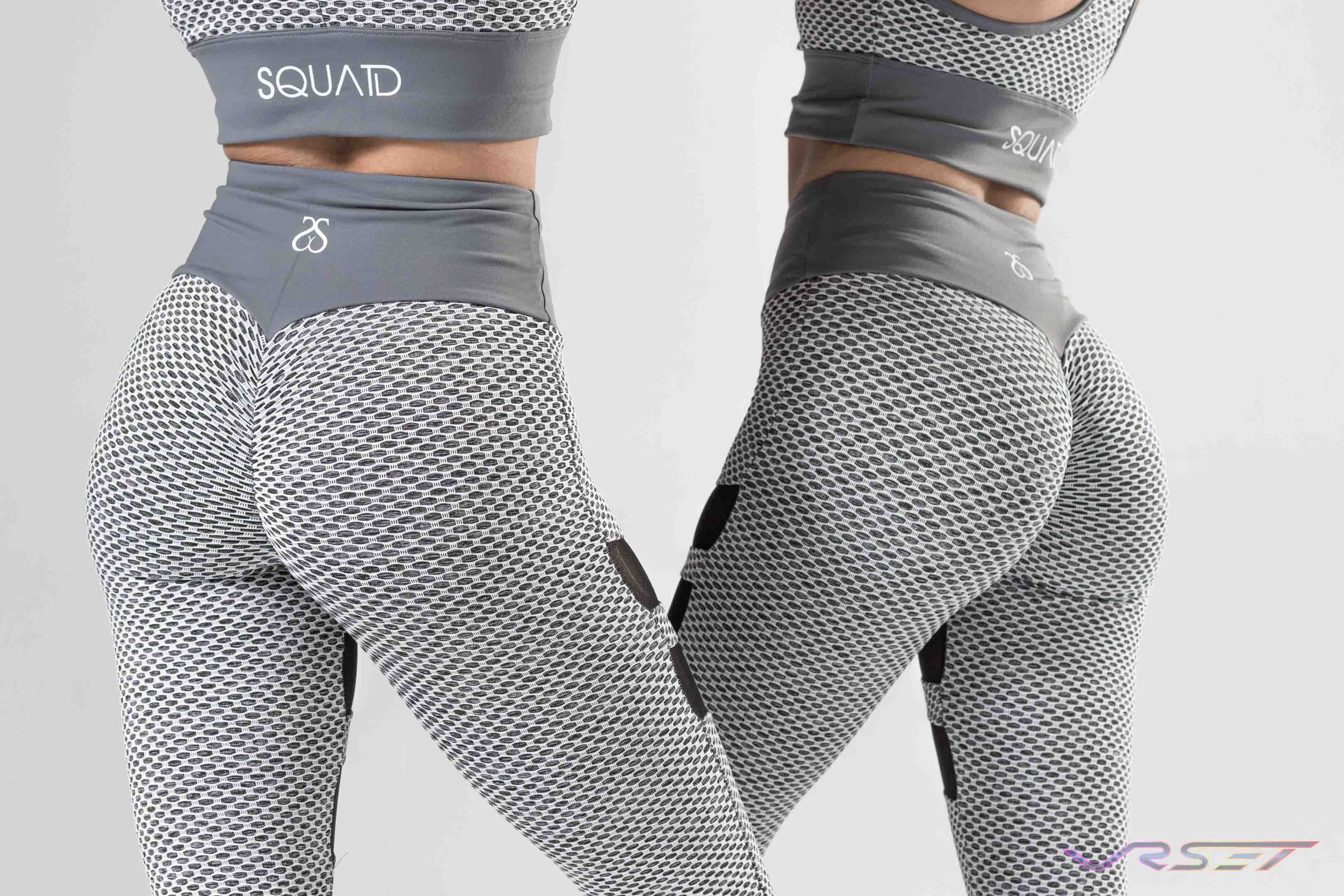
So when two quotes are sitting in front of you, stop comparing the day rate and compare these instead.
1- How many finished looks are you genuinely receiving.
2- What happens about colour, specifically, before a single frame gets shot.
3- Is anybody on that day being paid to stay one setup ahead of the room.
4- Who fixes it when something comes back wrong, and out of whose pocket.
The cheap quote generally wins on line one and loses every other line, and you will not find that out until the season is already running and the boxes are already moving.
A launch only gets photographed for the first time once.