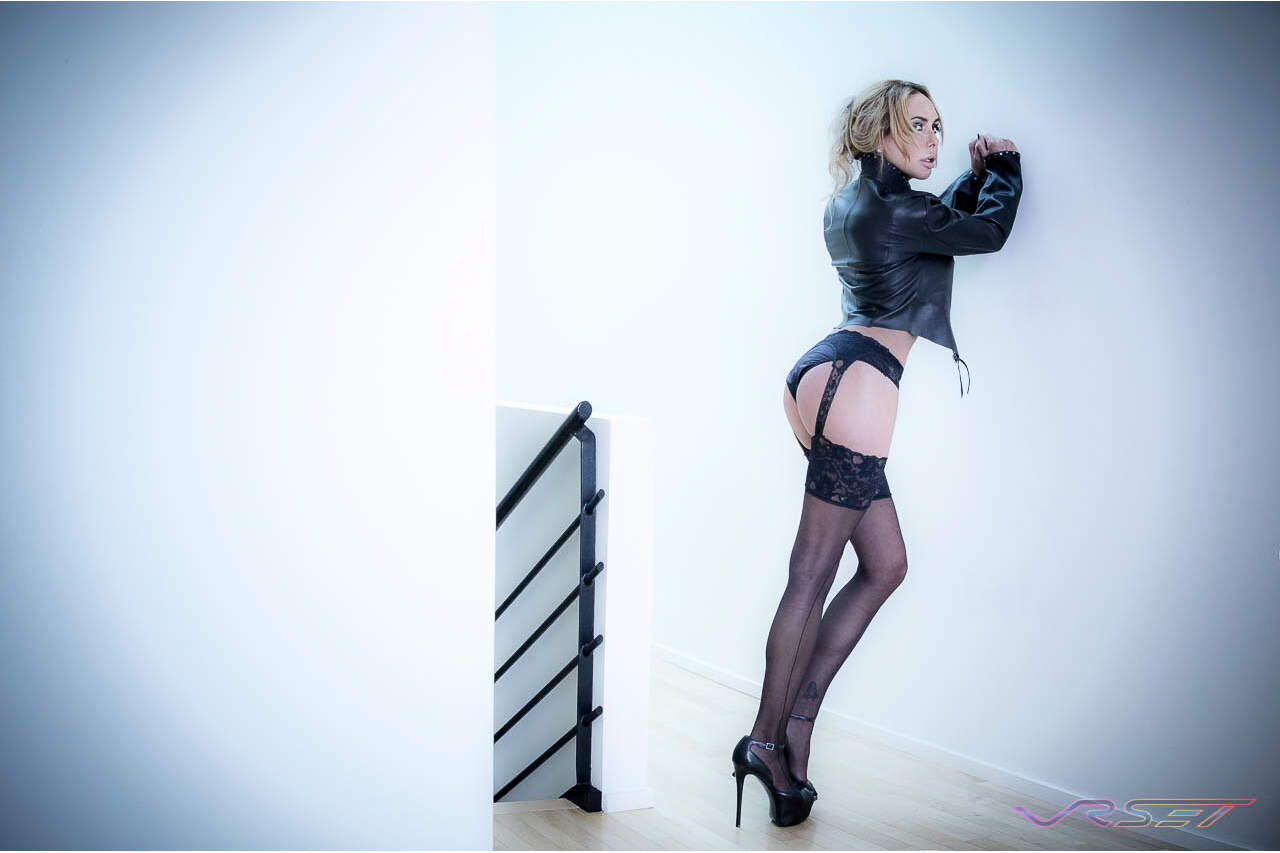
Best and Forever Fashion – Why Fashion Photography is Eternal
Think of fashion as a classic monument. Every generation is certain it has finally replaced it, and every generation walks past it again on the way to somewhere else. Fashion photography works the same way. The tools have been replaced perhaps five times in my career and the job has not changed once.
People have been announcing the death of this profession since I started. Digital was going to end it. Then camera phones. Then influencers with ring lights. Then the platforms. Now generated imagery. And here we all are, still shooting clothes, still getting paid for it.
So it is worth being precise about why, because the reason is not sentimental and it matters commercially if you are a brand deciding where to put money.
Clothing cannot sell itself
This is the foundation and everything else sits on it.
A garment on a hanger is a flat object. Nobody wants a flat object. What people buy is the version of themselves they imagine while looking at the picture, and that version has to be constructed deliberately by somebody who understands light, proportion, casting and mood.
Fabric has no inherent desire in it. Desire is added, and adding it is the job. That was true when the first person draped a skin over their shoulders and decided it looked better that way, which I got into in gods, fur and leather, and it is true on a shoot in Los Angeles this afternoon.
As long as clothing is sold to human beings, somebody has to make it look like something worth wanting. That role does not disappear because the capture device changed.
Fashion is a loop, and loops need photographs
Fashion does not progress, it circles. Every silhouette comes back, every decade gets mined, and the thing your customer rejected fifteen years ago is the thing they want now.
Which means the industry has a permanent, structural need for new images of old ideas. A revived silhouette photographed in the visual language of 1994 looks like a costume. The same silhouette photographed the way people see now looks like next season. The garment can repeat. The photograph cannot.
That is a renewal cycle built into the business, and it is why this work never runs out. I made the longer version of this argument in fashion is destined to go retro, and every year since has supported it.
What actually changed, and what did not
Worth separating these honestly, because plenty of things genuinely have changed.
Volume changed enormously. A brand that once needed a dozen images a season now needs hundreds, across a website, a marketplace, email, and several social formats at different aspect ratios. That is more work, not less.
Speed changed. Clients want images in days, sometimes hours. Tethered capture, same day selects and fast turnaround are now part of the service rather than a premium.
Distribution changed completely. The gatekeepers used to be magazines. Now a brand publishes directly and constantly, which is why the relationship between fashion and social media has reshaped how much gets shot and how quickly it is consumed.
What did not change is the part that is difficult. Knowing where to put the light. Knowing which of forty frames is the one. Knowing that the sleeve is wrong before the client sees it. Casting somebody your customer recognizes as themselves. Directing a nervous person into looking natural. Delivering on the day you promised.
Every one of those is judgment, and judgment is the thing that has never been commoditized in any craft, ever.
The cheap camera argument, which was always backwards
Practically everybody now carries a competent camera. This was supposed to end professional photography.
It did the opposite. When everyone can take a photograph, the market floods with adequate images, and adequate stops being enough to sell anything. Scarcity moved from the equipment to the eye. That is exactly the point of trillions of cameras, and the years since have only made it more obvious.
A brand competing in a feed full of good enough imagery cannot win with good enough imagery. It has to look deliberately better, and deliberately better is a skill, not a purchase.
The names change, the work continues
Look at who is remembered from any era of this business. The remembered ones were not the ones with the best equipment of their decade, they were the ones with a point of view that survived their decade. I went through several of them in famous fashion photographers.
Their equipment is now museum material. Their pictures are still being copied, this season, by people who do not know they are copying them.
That is what eternal means in this context. Not that any individual career lasts forever, but that the function is permanent. Somebody in every generation has to decide what desire looks like and photograph it.
What this means if you are a brand
Practical, since that is the part that costs money.
Images are the longest lived asset you buy. A website gets rebuilt, a campaign ends, a platform falls out of favor, and the photographs from a good shoot are still working across all of it years later. Almost nothing else in a marketing budget has that lifespan.
Which means the calculation on a shoot is not what it costs this quarter. It is what it costs divided by the number of years and channels the images serve. Shot properly, that number is very small, and shot badly it is infinite, because bad images get replaced immediately and you pay again.
So buy the photography as infrastructure, not as a campaign expense. That is the whole reason this work has outlasted every technology that was supposed to end it, and the reason a well made lookbook still earns its keep long after the season it was shot for has gone.
Fashion is a classic monument. People keep walking past it. Somebody has to keep photographing it, and that somebody has been in work for a very long time.